✦ Feline Psychology · Miko Companion
Quick answer: Cat kneading, often called making biscuits, is a familiar comfort behavior where a cat presses its paws in rhythm. This post tells it through Miko as a warm, story-led cat moment.
Making Biscuits: The Ancient Psychology of a Cat’s Kneading and Your Sense of Safety
If you have ever felt completely overwhelmed after a long, chaotic day of meetings and digital noise, you know how hard it is to just turn off the background anxiety.
You sit on the couch, staring blankly ahead, your mind still trapped in the hustle.
Then, a soft, familiar weight lands on your lap.
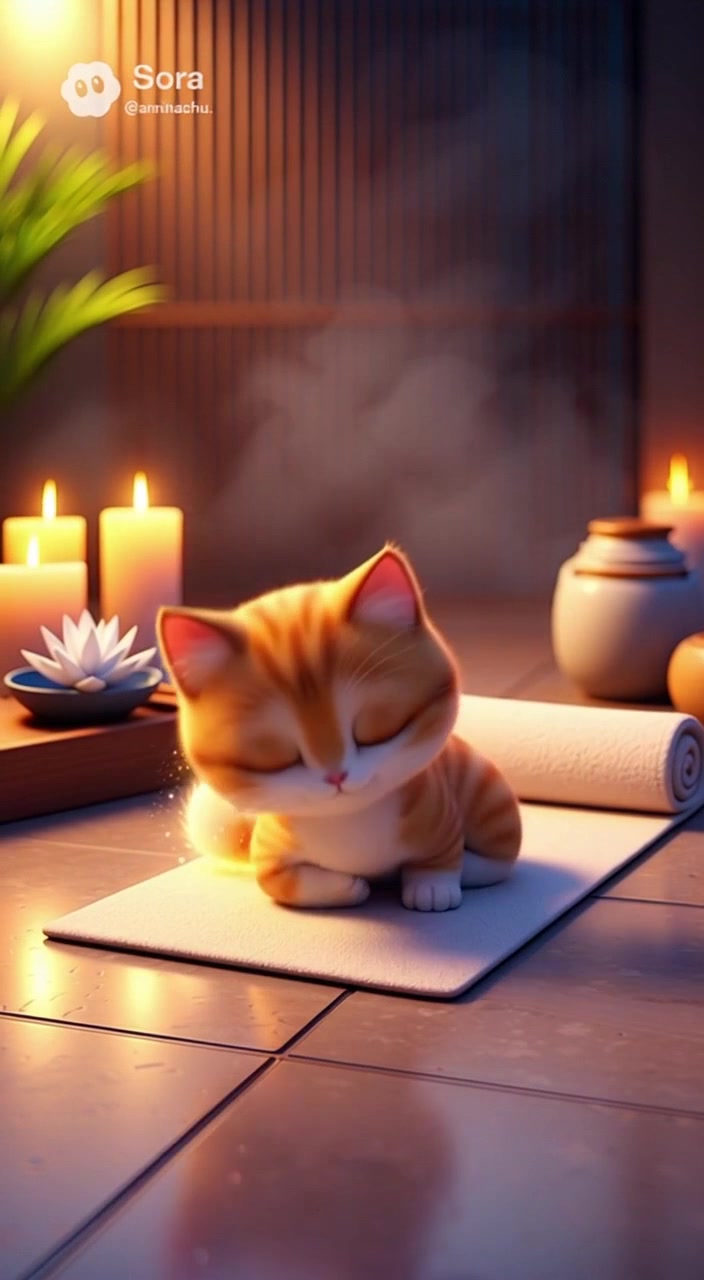
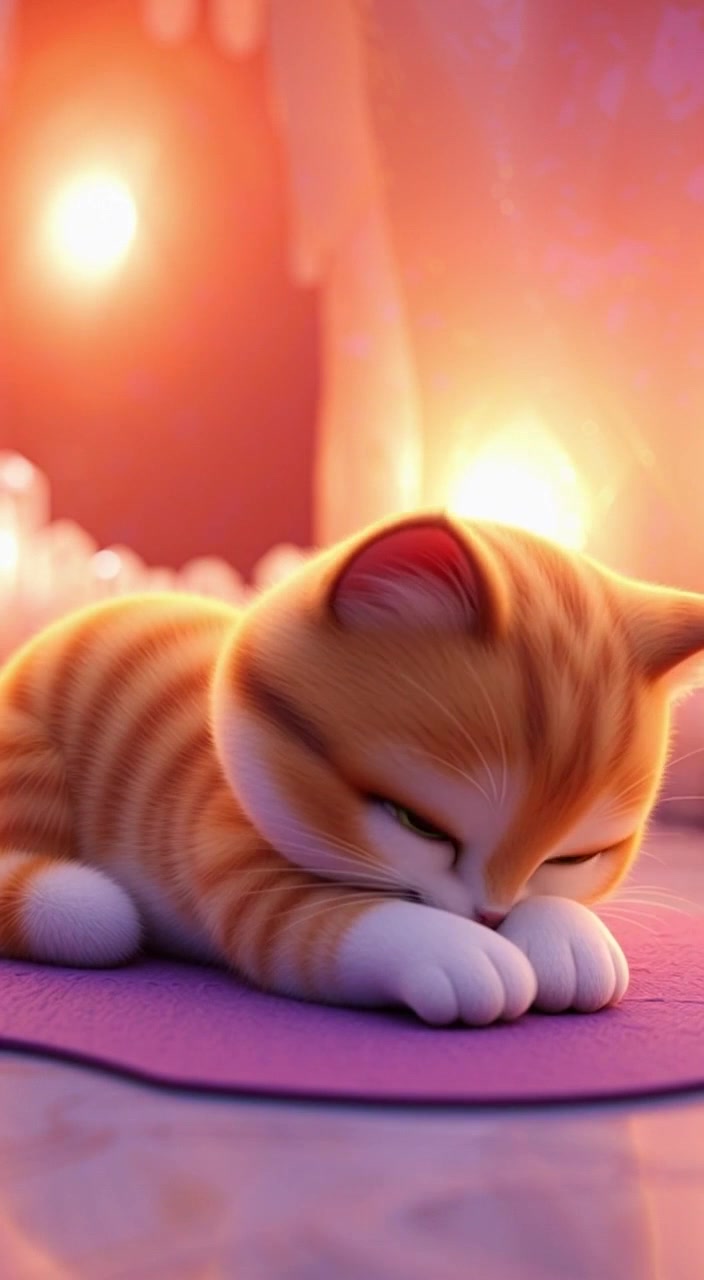
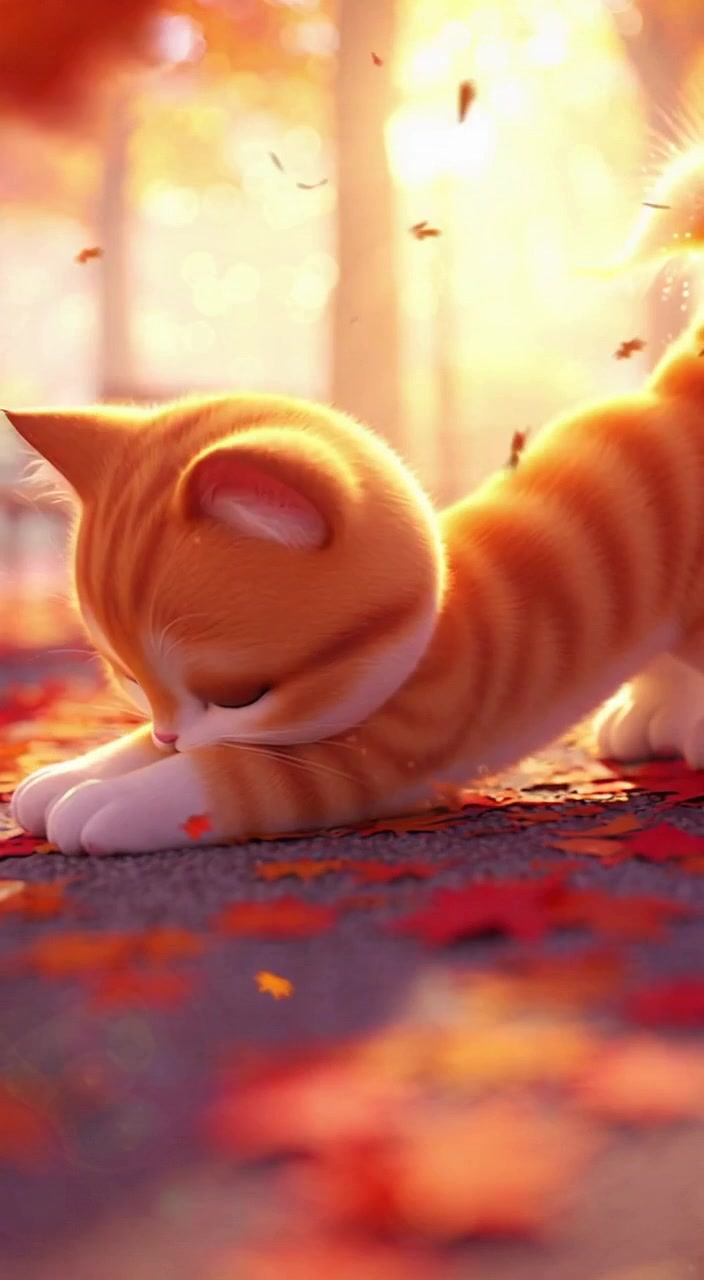
Miko arrives, his bright orange coat bringing instant warmth to the room. He doesn’t just lie down. Instead, he extends his front paws, spreads his toes, and begins a rhythmic, alternating push-and-pull motion against your blanket.
Left. Right. Left. Right.
In the pet community, we lovingly call this “making biscuits.” To behavioral psychologists, this repetitive motion is a profound demonstration of environmental safety and emotional alignment.

The Evolution of the “Biscuit Rhythm”
Why do cats spend so much energy kneading soft surfaces? The answer goes back to their very first days of life.
Newborn kittens knead against their mother’s belly to stimulate milk flow. It is a primal reflex associated with absolute survival, pure warmth, and ultimate maternal protection.
When a happy, gentle male cat like Miko carries this behavior into adulthood and directs it at you, it is a massive psychological compliment.
Feline behaviorists confirm that adult cats only knead when they feel completely safe, content, and relaxed. By transferring this childhood comfort mechanism onto your lap, Miko is essentially creating an invisible fortress around the two of you.
“In this exact square foot of the universe, there is no threat. There is no urgency. There is only comfort.”
What Kneading Is Really Saying
Kneading is not random — it is one of the oldest comfort habits a cat has. It starts in the first days of life: nursing kittens push their paws rhythmically against their mother to help her milk let down, and that motion gets wired to a feeling of warmth and safety (kneading in cats). Adult cats like Miko keep doing it because it still brings back that same calm. There is a quieter message in it too: cats have scent glands in the soft pads of their paws, so when Miko makes biscuits on your lap, he is gently marking you as his safe place (Scientific American).
| When Miko kneads… | What he is likely feeling | What it means for you |
|---|---|---|
| Slow, sleepy paws before curling up | Winding down, getting comfortable | He has chosen your lap as his resting spot |
| Kneading with a soft purr | Contentment, echoes of kittenhood | He feels safe and calm next to you |
| Kneading a blanket or cushion | Nest-building instinct | He is preparing a cozy place to settle |
Rhythm and Regulation: Why It Helps You Settle
As humans, our brains are hardwired to respond to steady, predictable rhythms. It is why we listen to metronomes, lighthouses, and ocean waves to calm our racing minds.
When you watch Miko rhythmically kneading a soft blanket, your mirror neurons register that deep, unhurried cadence.
The soft tactile sensation of his paws, paired with the steady focus of his movements, acts as a sensory grounding technique. It pulls your awareness away from the abstract anxiety of tomorrow’s schedule and forces you into the physical reality of the present moment.

Miko doesn’t ask you to explain your stress. He doesn’t judge your productivity.
He simply sits on your lap, kneading away the invisible tension of your day, reminding you that it is okay to lower your guard and just be.

Your Daily Portable Safe Space
Every time you wake up your phone during a high-stress moment, let your lockscreen act as a psychological reset button.
✦ More Miko: Quiet Night · Slow Blink · Visual Calm · Creative Chaos · Cat Tail · Purr 25Hz
FAQ
Why do cats knead soft things? It traces back to nursing, when kittens knead to help milk flow. The motion stays linked to comfort, so adult cats knead when they feel relaxed.
Does kneading mean my cat likes me? Often yes — cats usually knead people and places they feel safe with, and the scent glands in their paws quietly mark you as familiar.
Is this a health or therapy claim? No — Miko offers gentle company, not medical or mental-health advice. If you are struggling, a professional is the right kind of support.
About Miko and CatFantasyMiko
Miko is the original orange cat companion of CatFantasyMiko by Luxon Visuals. This blog uses Miko stories, cat behavior, gentle quotes, and soft wallpapers to help new readers discover the CatFantasyMiko world. Miko offers emotional companionship and creative comfort, not medical, diagnostic, or therapy advice.