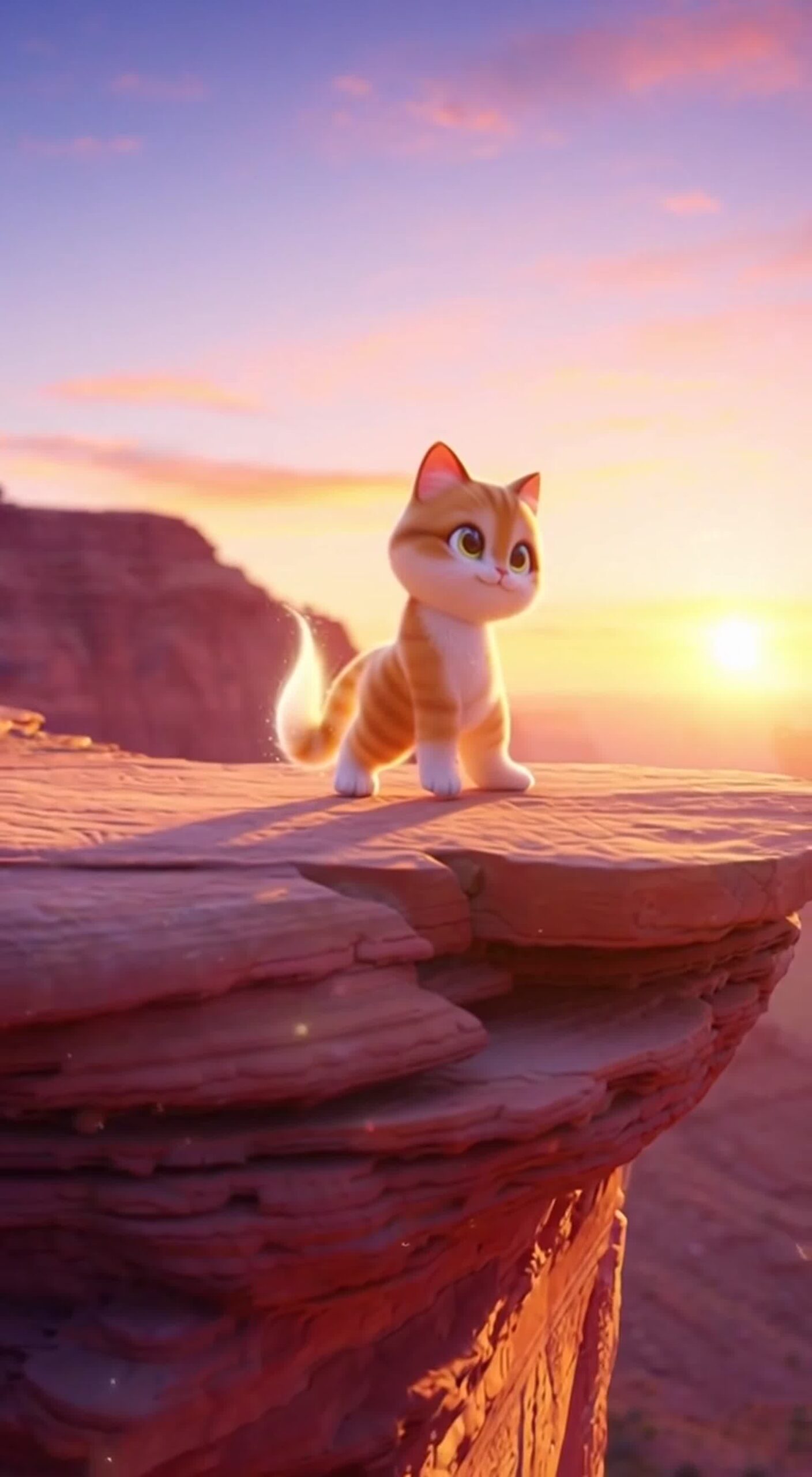
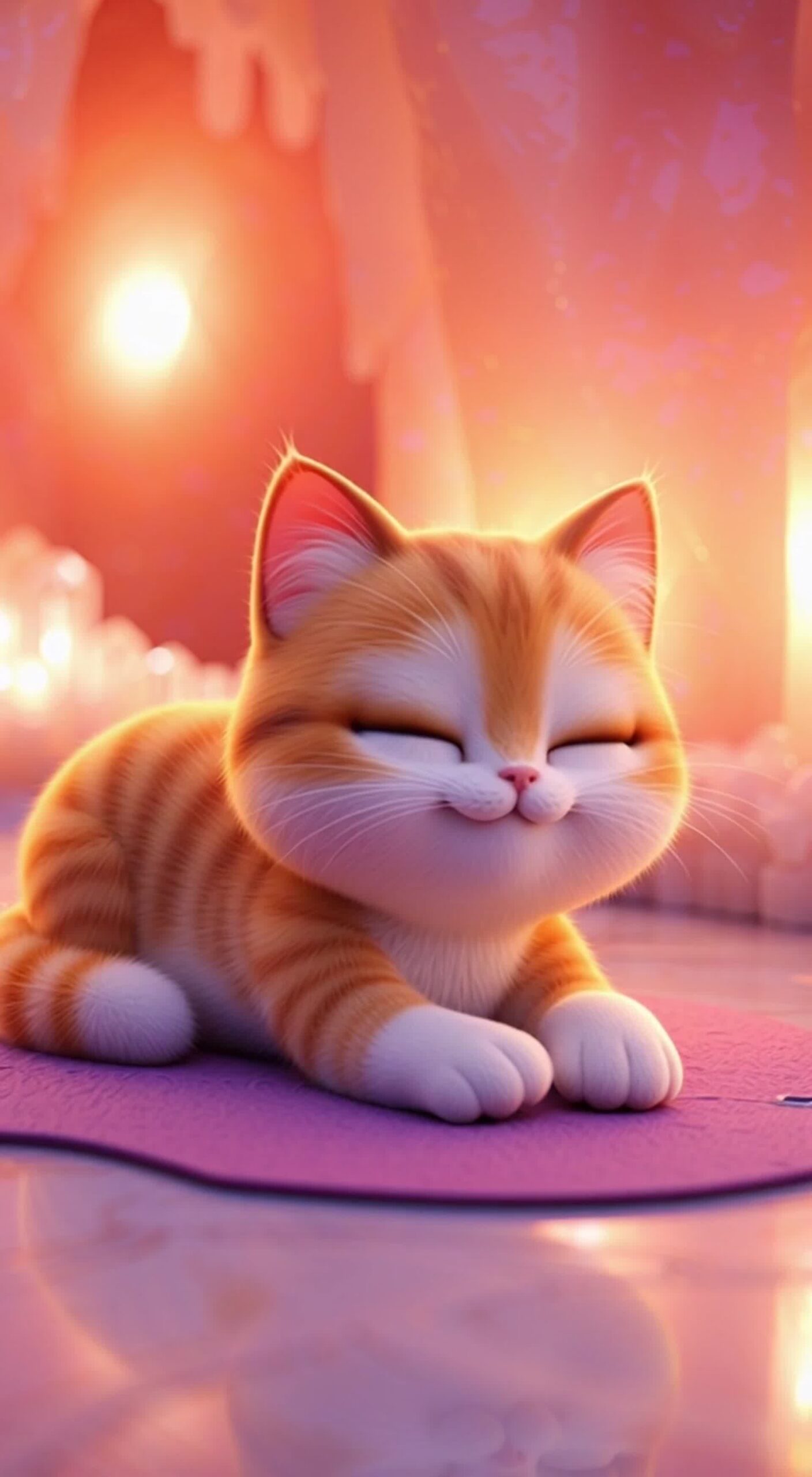
For the days you come home with nothing left. Gentle after-work reads and cozy resets with Miko, for when you’re worn out and just need to be somewhere soft.
Cat paw pads are tiny, quiet, and strangely comforting. Miko’s toe beans make even the busiest desk feel a little less sharp around the edges.
Quick answer: Cat paw pads and toe beans feel comforting because they are small, soft details that make a cat feel close and real. This post turns Miko’s paws into a quiet pause for busy days.
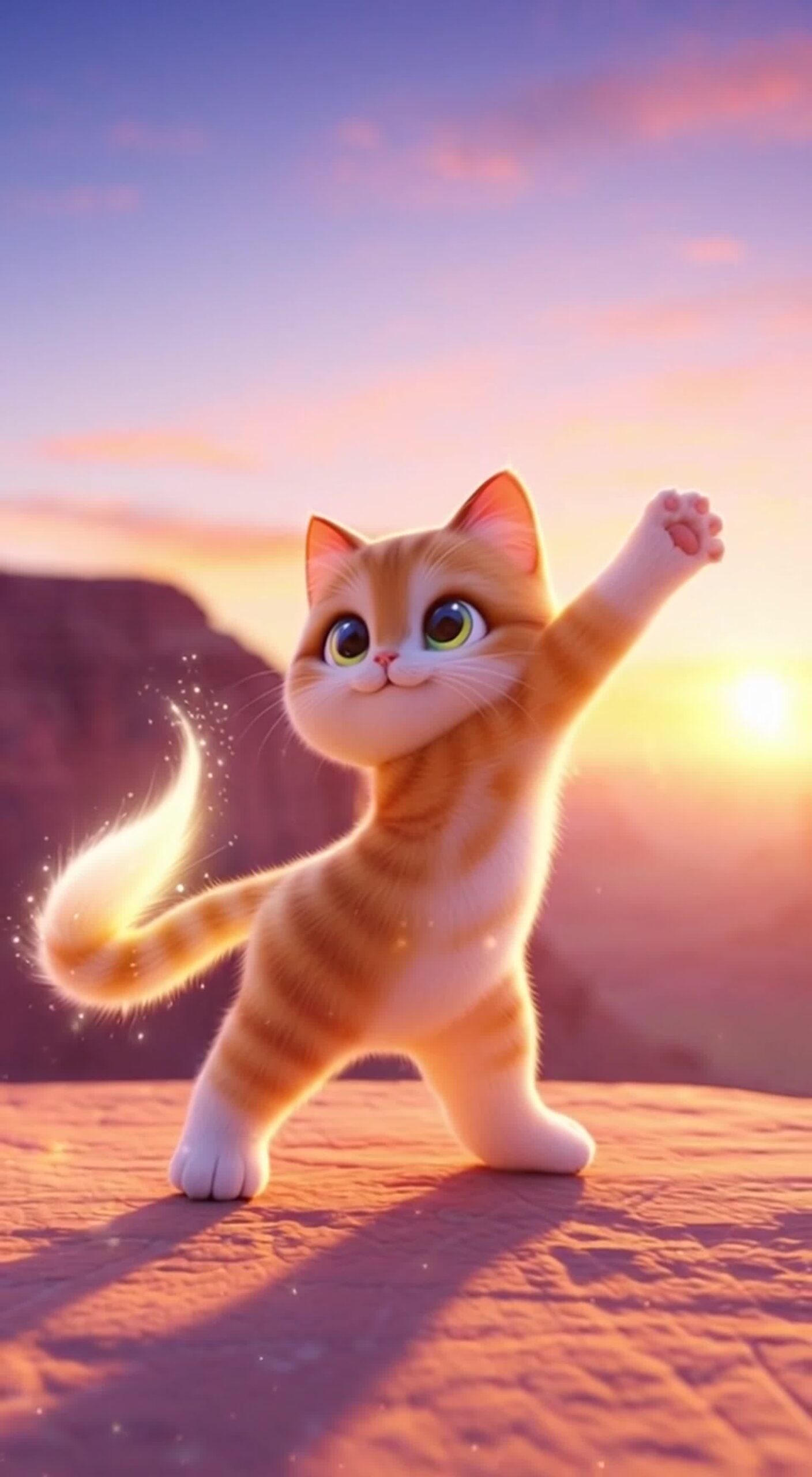
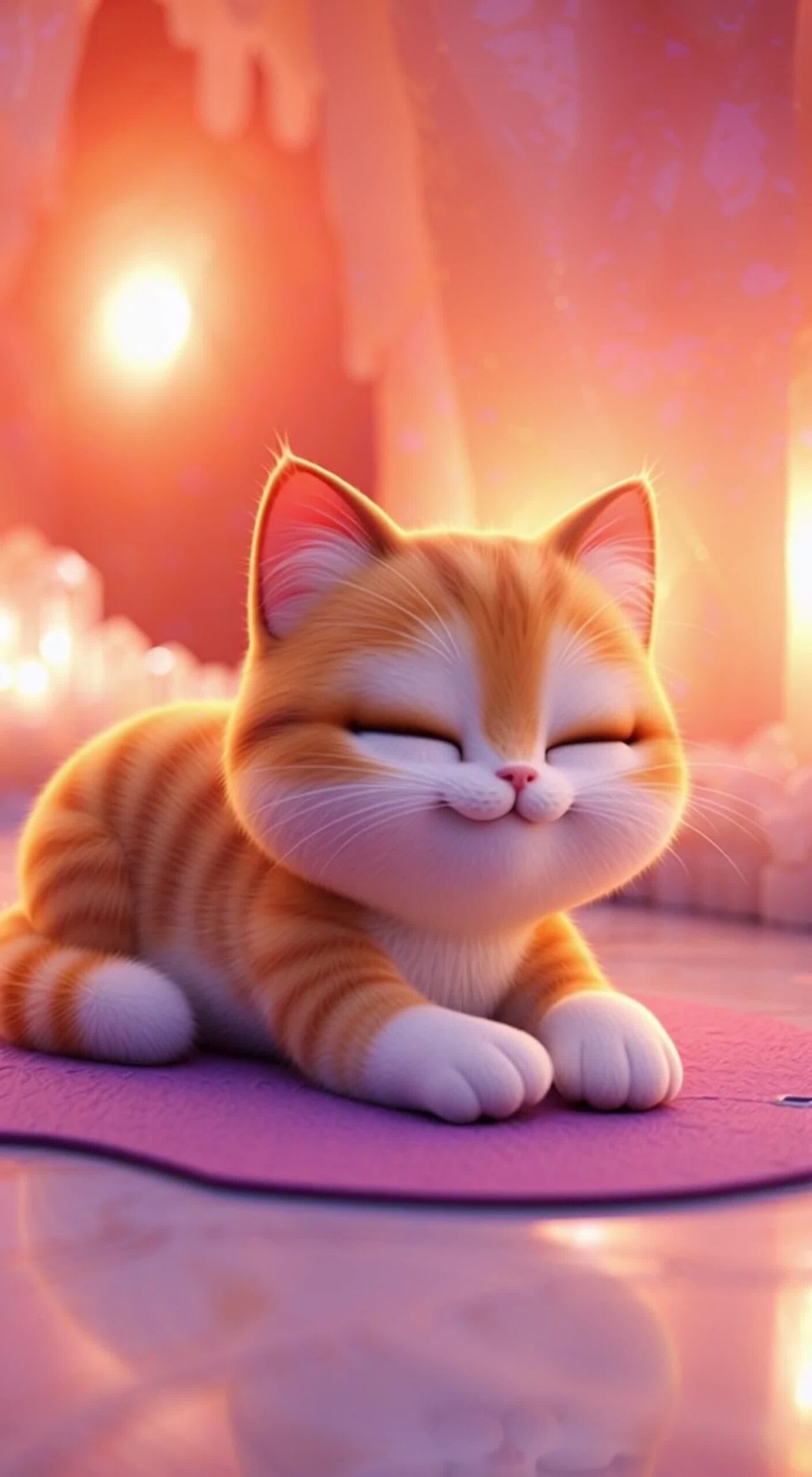
He steps across the blanket with careful little paws, then settles beside you as if the whole day has been leading to this simple moment.
The tiny details that make Miko memorable
Miko is not only a cute orange cat. He is made of small signals: a soft paw, a slow blink, a patient stretch, the quiet confidence of choosing the best spot in the room.
A softer corner inside a busy day
When your day feels full of hard edges, look for one small soft thing. For Miko, it might be a blanket. For you, it might be a wallpaper, a cup of tea, or thirty seconds of quiet.
✦ Miko Wallpaper Moment
Keep Miko close after the story
Take a softer piece of Miko’s world with you: a small visual pause for your phone, desktop, or late-night reading corner.
Miko is the original orange cat companion of CatFantasyMiko by Luxon Visuals. This blog uses Miko stories, cat behavior, gentle quotes, and soft wallpapers to help new readers discover the CatFantasyMiko world. Miko offers emotional companionship and creative comfort, not medical, diagnostic, or therapy advice.
FAQ
What are toe beans? A cute nickname for the soft pads on a cat’s paws.
Why connect paw pads with Miko? They are a small, memorable detail that makes the Miko character feel close and emotionally recognizable.
Cat whiskers are precision sensors: they read air currents, measure gaps, and broadcast mood — forward means curious, pinned back means overwhelmed. Learning to read them is like getting subtitles for your cat. Miko turns his radar on below.
Quick answer: Cat whiskers help cats sense space, movement, and nearby objects. This post explains whiskers gently through Miko, keeping the focus on curiosity, closeness, and feline body language.
✦ Sensory Wellness · Miko Companion
The Whiskers Radar: Understanding Your Cat’s Secret Sensory Language and Mental Fatigue
📡 Sensory Wellness · 5 min read ✦ By Miko the Cat
Every day, we step into a digital jungle. We navigate thousands of pixels, filter through conflicting social media algorithms, and absorb endless streams of high-contrast notifications.
By the end of the day, our brains experience a form of sensory overload that leaves us feeling completely disconnected from our physical surroundings.
Yet, right beside you, a master of sensory navigation is completely at peace.
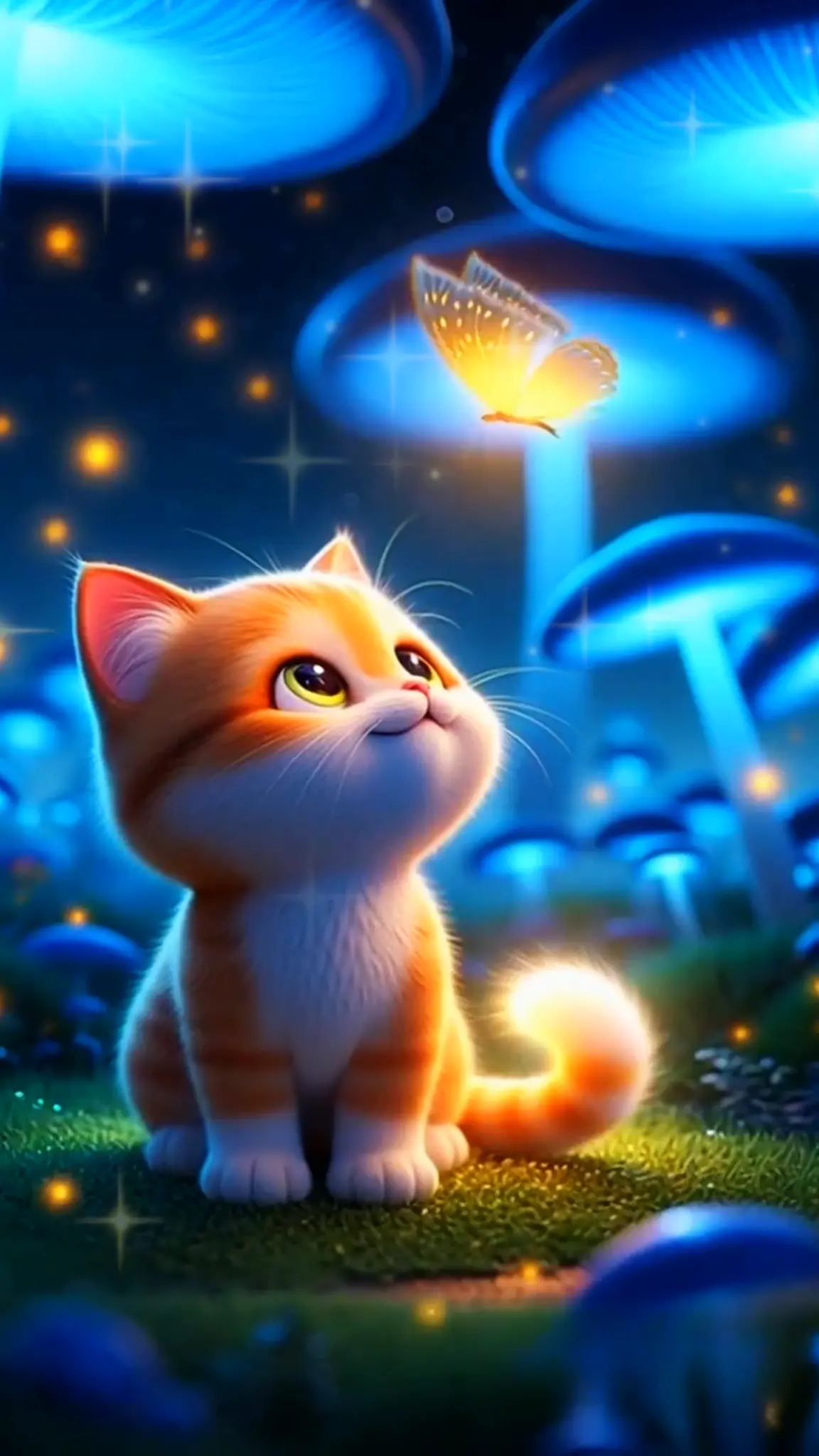
If you look closely at Miko as he sits on your desk, you will see his long, elegant white whiskers catching the warm ambient light. They aren’t just hairs; they are a highly advanced, evolutionary radar system.
Miko, our happy, gentle, and beautifully naughty orange male cat, doesn’t use screens to understand his environment. He uses a delicate tactile language that speaks entirely in the present moment.
The Precision of Feline Radar: Why Whiskers Don’t Lie
A cat’s whiskers—scientifically known as vibrissae—are deeply embedded into their musculoskeletal and nervous systems. Every single whisker is packed with thousands of nerve endings that can detect the absolute slimmest change in air currents, temperature, and spatial boundaries.
Feline behaviorists note that when a cat is happy, relaxed, and secure, his whiskers flare out loosely to the sides, creating a soft, wide silhouette. This is Miko’s visual broadcast of safety.
When he sits next to your laptop and angles his whiskers slightly forward, he isn’t just watching you—he is actively scanning your energy, sensing the invisible tension radiating from your hunched shoulders and racing pulse.
Overcoming Sensory Burnout Through Tactile Grounding
Humans don’t have whiskers, but we do have an internal radar called intuition, which gets completely fried by digital fatigue. When we stare at screens for too long, our brains lose touch with our immediate physical space.
Miko’s calm, anchored presence serves as a visceral counter-weight to this digital drift.
When he walks past and lets his stiff, long whiskers gently brush against your bare arm or cheek, it acts as an immediate tactile grounding mechanism.
“The perimeter is safe. The environment is stable. You can stand down now.”
✦ Miko’s Whiskers & Warmth
Your Daily Portable Mental Shield
Look into the ultra-high-definition 4K resolution of Miko’s gentle eyes. Let it remind you to pull back your overextended radar and ground yourself.
Whiskers (vibrissae) sit deep in nerve-rich follicles and work like radar: they roughly match a cat’s body width so he knows if he’ll fit, and they read the faintest air currents (VCA Animal Hospitals). They’re also a live mood display:
Whisker position
What Miko is feeling
Your move
Relaxed, out to the side
Calm and comfortable
All good — enjoy the company
Pushed forward
Curious, interested, friendly
He’s engaged; slow blink back
Flattened against the face
Startled or on guard
Give space, lower the noise
About Miko and CatFantasyMiko
Miko is the original orange cat companion of CatFantasyMiko by Luxon Visuals. This blog uses Miko stories, cat behavior, gentle quotes, and soft wallpapers to help new readers discover the CatFantasyMiko world. Miko offers emotional companionship and creative comfort, not medical, diagnostic, or therapy advice.
FAQ
What do whisker positions mean? Relaxed and sideways = calm; pushed forward = curious or hunting; flattened back = stressed or overstimulated — give the cat space.
Should I trim a cat’s whiskers? Never — whiskers are sensory organs, and cutting them disorients a cat until they regrow.
Is “whisker fatigue” a medical diagnosis? It is an informal term for overstimulation (like deep food bowls). For real health concerns, ask a vet — Miko only offers cozy company.
Some screens ask more from us. Others can give something back. A quiet Miko wallpaper is not a cure or a productivity trick. It is simply a softer place for your eyes to land.
Quick answer: 4K pet art can give tired eyes a softer place to rest. This post frames Miko wallpaper as a quiet visual break for people who want comfort, cuteness, and a calmer screen.
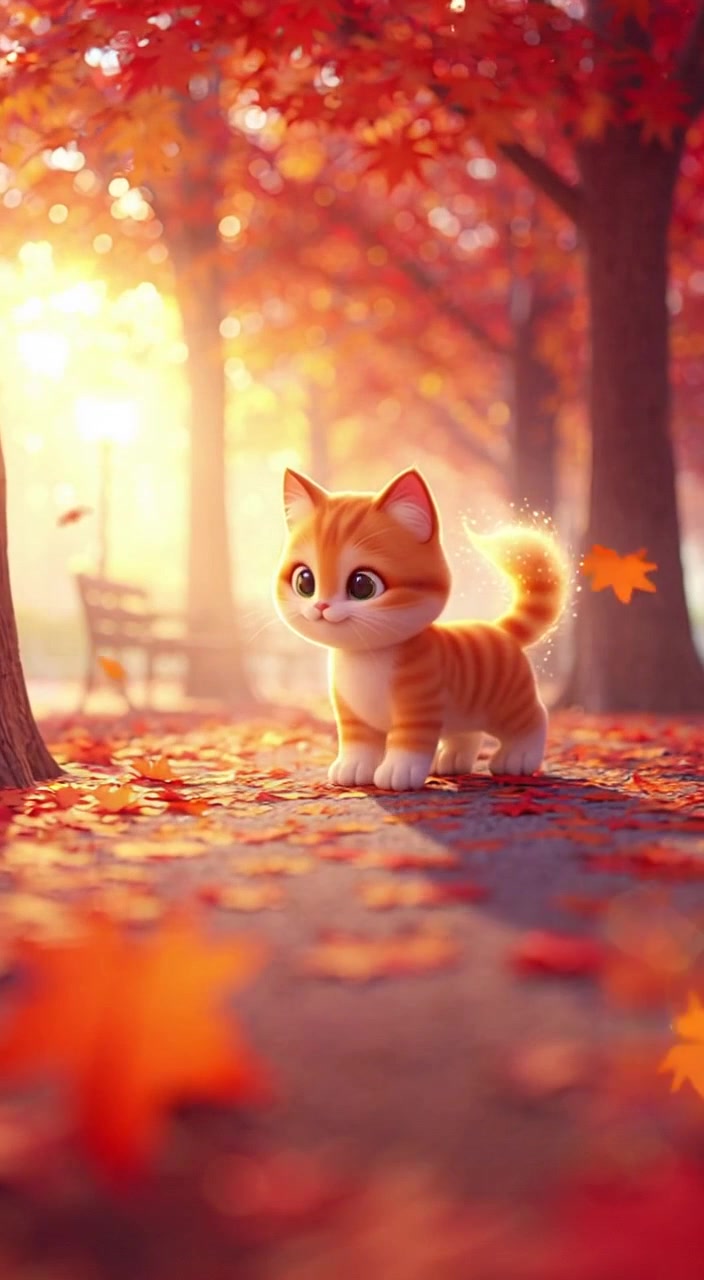
When the day has been full of tabs, messages, and bright rectangles, Miko’s little world can become a tiny pause. A warm orange cat, a dreamlike background, a moment that does not ask you to answer anything.
Why a gentle wallpaper can feel different
The best Miko images are not just decorative. They carry a mood: quiet, soft, a little magical. They make your device feel less like a task machine and more like a small window into a kinder room.
A small visual reset with Miko
Try placing Miko on the screen you see most often. Not to escape your day, but to leave a gentle signpost inside it: slow down, breathe, return when you can.
✦ Miko Wallpaper Moment
Keep Miko close after the story
Take a softer piece of Miko’s world with you: a small visual pause for your phone, desktop, or late-night reading corner.
Miko is the original orange cat companion of CatFantasyMiko by Luxon Visuals. This blog uses Miko stories, cat behavior, gentle quotes, and soft wallpapers to help new readers discover the CatFantasyMiko world. Miko offers emotional companionship and creative comfort, not medical, diagnostic, or therapy advice.
FAQ
Is this about eye health advice? No. This is a gentle design and Miko story piece, not medical guidance.
What makes Miko wallpaper different? It connects the visual asset to a character world, so the image feels like part of an emotional story rather than generic pet art.